
Abortion, also referred to as Dilation and Curettage (D&C), pregnancy termination, or termination of pregnancy, is a procedure performed to end an unwanted pregnancy, a pregnancy that is desired but cannot be continued due to medical conditions, or a pregnancy in which the fetal heartbeat has stopped. In some cases, curettage may be performed to evacuate a pregnancy after fetal cardiac activity has ceased or to remove tissue remaining in the uterus following a miscarriage (retained products of conception, RC). Curettage is a procedure used to evacuate the contents of the uterus.
This procedure is also commonly referred to as pregnancy termination or abortion. The Regulation on the Implementation and Supervision of Uterine Evacuation and Sterilization Services specifies the conditions under which abortion may be performed and who may undergo the procedure. According to this regulation, pregnancies of less than 10 weeks may legally be terminated under certain conditions.
Women over the age of 18 who are unmarried may undergo an abortion based on their own consent. For married women, the husband's consent is also required under the provisions described in the regulation. Provided there are no medical contraindications, termination of pregnancy may be performed up to 10 weeks of gestation.
In certain emergencies involving life-threatening conditions, a physician may need to perform the procedure without being able to obtain the patient's consent. In such cases, the physician is required to notify the relevant legal authorities. Abortion costs may vary depending on the healthcare facility, physician, and other factors.
How Should Patients Be Evaluated Before an Abortion?
Before the procedure, the patient's medical history should be obtained to identify any underlying medical conditions. The patient should be evaluated for anesthesia-related risks, anemia (iron deficiency), Rh incompatibility, and hepatitis B, hepatitis C, and HIV status. A physical examination and ultrasound assessment should be performed to determine the location of the pregnancy. The patient and, if applicable, their partner should then be informed about the procedure to help reduce anxiety and provide reassurance.

What Should I Consider Before the Procedure?
- If the procedure will be performed under anesthesia, you should avoid eating and drinking for 5–6 hours beforehand. Alcohol consumption and smoking are not recommended before the procedure.
- It is advisable to have someone accompany you who can provide assistance if needed.
- If you are taking blood-thinning medications, be sure to inform your physician.
How Is an Abortion Performed?
The patient is first positioned on the examination table in the lithotomy position. The anesthesiologist establishes intravenous access and evaluates the patient. An anesthetic medication is administered intravenously, and the patient's vital signs are monitored. The obstetrician-gynecologist then covers the patient with a sterile drape. An appropriately sized speculum, an instrument used to gently open the vagina, is inserted to visualize the cervix. After cleaning the cervix with an antiseptic solution, the physician uses an instrument called a tenaculum to grasp and gently pull the cervix, aligning the uterus. A plastic tube called a cannula, connected to a plastic aspirator (vacuum syringe or manual vacuum aspiration device), is then used to remove the uterine contents through aspiration. In some cases, the cervix may need to be dilated using instruments called cervical dilators.
Vacuum Aspiration or Sharp Curettage?
With modern medical techniques, vacuum aspiration is generally preferred today. However, additional instruments may be required in certain situations.
Will I Feel Pain During an Abortion?
The abortion procedure can be performed under local anesthesia, although light sedation (sedoanalgesia) is generally preferred. With appropriate sedation and anesthesia, pain and awareness of the procedure can be minimized.
How Long Does an Abortion Procedure Take?
The procedure typically takes approximately 2–3 minutes once it begins. However, the duration may vary depending on the patient and the gestational age. As the pregnancy progresses, the procedure may take slightly longer.
Is Curettage Performed Only to Terminate a Pregnancy?
Curettage refers to the removal of tissue from inside the uterus using scraping or suction techniques (aspiration or menstrual regulation). It is not performed exclusively during pregnancy. In nonpregnant women experiencing abnormal bleeding, curettage may be used to collect tissue samples for the diagnosis of uterine cancer or precancerous conditions. It may also be performed for therapeutic purposes in women with heavy bleeding by removing tissue from the uterine lining through scraping or aspiration.
-
Diagnostic Curettage: This procedure is performed for diagnostic and therapeutic purposes in cases of abnormal uterine bleeding. The thickened endometrial lining responsible for the bleeding is removed through curettage. Removing this tissue may help manage the bleeding, while the samples obtained after the curettage procedure are examined in a pathology laboratory to establish a diagnosis.
-
Fractional Curettage: Fractional curettage involves collecting tissue samples from two separate anatomical locations to identify the source of abnormal bleeding. A metal curette may be used instead of vacuum aspiration. Samples are obtained separately from the endocervical canal and the endometrium. This procedure may help identify abnormalities involving the cervix and uterus.
-
Endometrial Curettage: Endometrial curettage is a procedure used to obtain tissue from the uterus to determine the type of endometrial thickening present. Tissue sampling may be performed while bleeding is occurring or at another appropriate time. The procedure may be performed under local anesthesia.
-
Endocervical Curettage: When suspicious lesions are detected in the cervix or cervical canal following a Pap smear or colposcopic examination (such as ASC-US, CIN, or AGUS), a small, sharp curette may be used to collect tissue from inside the cervical canal for pathological examination. This procedure can be considered a type of cervical canal biopsy. It may be performed together with uterine curettage or during a colposcopic examination when a cervical punch biopsy is obtained. One of the advanced diagnostic methods used to investigate varying degrees of cellular changes in the cervix associated with the HPV virus is colposcopy-guided punch biopsy and endocervical curettage.
-
Therapeutic Curettage: Therapeutic curettage may be performed in medically necessary situations, such as when continuing a pregnancy poses a serious risk to the pregnant woman or fetus due to an existing medical condition, or when medications potentially harmful to the fetus have been used during pregnancy.
Risks of Curettage
- When performed by an experienced specialist under appropriate sterile conditions, the risk of complications is generally low. However, possible complications, although uncommon, include:
- Retained tissue inside the uterus (retained products of conception)
- Uterine infection (endometritis)
- Bleeding
- Uterine perforation
- Bowel injury
- Formation of intrauterine adhesions (Asherman syndrome)
- Anesthesia-related risks.
How Many Times Can I Have an Abortion?
There is no specific numerical limit on the number of abortion procedures a person may undergo. However, unnecessary repeated procedures should be avoided whenever possible.
Can an Abortion Damage the Uterus?
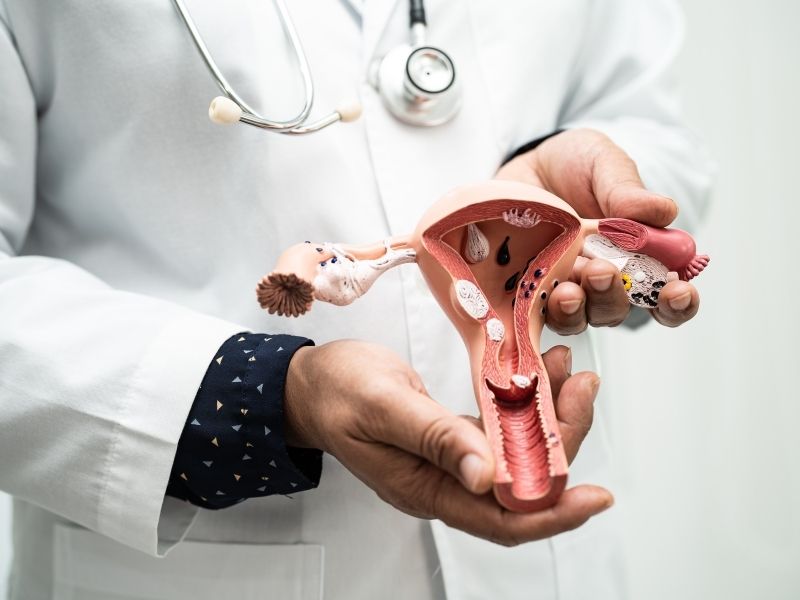
If intrauterine adhesions develop following curettage performed after a miscarriage or uterine evacuation for medical reasons, hysteroscopy is necessary and should be performed without delay. Precautions should also be taken to reduce the likelihood of recurrent adhesions.
If menstruation has not resumed within 6–8 weeks after the abortion procedure, consult your physician promptly, as intrauterine adhesions may have developed and further intervention may be required.
Is Having Multiple Abortions Risky?
The level of risk depends more on the physician's experience, the conditions under which the procedure is performed, and the patient's medical status than on the number of procedures alone. Complications may occur after a single abortion, while some individuals may undergo 6–7 abortion procedures without experiencing complications.
What Should Be Done in Cases of Persistent or Heavy Bleeding After an Abortion?
Bleeding may occur due to retained tissue inside the uterus or uterine perforation. The underlying cause of the bleeding must be identified and managed appropriately.
Abortion (Dilation and Curettage, Pregnancy Termination, Termination of Pregnancy)
Abortion is a procedure performed to terminate an unwanted pregnancy, a pregnancy that cannot safely continue due to medical conditions, or a pregnancy in which the fetal heartbeat has stopped. In some cases, the procedure is performed to evacuate a pregnancy after fetal cardiac activity has ceased or to remove tissue remaining in the uterus following a miscarriage (retained products of conception, RC). Curettage is a procedure used to evacuate the contents of the uterus.
It is commonly referred to as pregnancy termination or abortion.
The Regulation on the Implementation and Supervision of Uterine Evacuation and Sterilization Services establishes the conditions under which curettage may be performed and who may undergo the procedure. According to this regulation, pregnancies of less than 10 weeks may legally be terminated under certain conditions.
Women over the age of 18 who are unmarried may terminate a pregnancy based on their own consent. Married women are also required to obtain their husband's consent under the provisions described in the regulation, provided there are no medical contraindications and the pregnancy is less than 10 weeks.
In certain life-threatening emergencies, a physician may need to perform the procedure without being able to obtain the patient's consent. In such situations, the physician is required to inform the relevant legal authorities.
Can an Abortion Be Performed for an Ectopic Pregnancy?
An ectopic pregnancy occurs when a fertilized egg implants and begins developing outside the uterine cavity, commonly in a fallopian tube. Therefore, the uterine curettage procedure used for intrauterine pregnancies cannot generally be used to terminate an ectopic pregnancy.
Ectopic pregnancy treatment may involve medications such as methotrexate or surgical intervention.
Note: In some cases of cervical ectopic pregnancy, curettage may be considered. Because this procedure carries a risk of significant bleeding, it should be performed in a fully equipped medical facility with immediate access to blood transfusion services.
Is Curettage Performed Only to Terminate a Pregnancy?
Curettage refers to the removal of tissue from inside the uterus using scraping or suction techniques (aspiration or menstrual regulation).
It is not performed exclusively in pregnant women. In nonpregnant women experiencing abnormal uterine bleeding, tissue samples may be obtained to diagnose uterine cancer or precancerous conditions. Curettage may also be performed for therapeutic purposes in women with heavy bleeding by removing tissue from the uterine cavity through scraping or aspiration (diagnostic curettage, fractional curettage, endometrial curettage, endocervical curettage, and therapeutic curettage).